Arc equipment roots
Early shop guidance centered on welding power sources, operator setup, and repeatable metal joining.
Heritage and Manufacturing Discipline
The Miller story is built around skilled trades, repeatable machine setup, and a belief that welding support should be written in shop language. Every catalog note, service route, and equipment recommendation is tied back to the realities of arc time, heat, metal preparation, and operator safety.
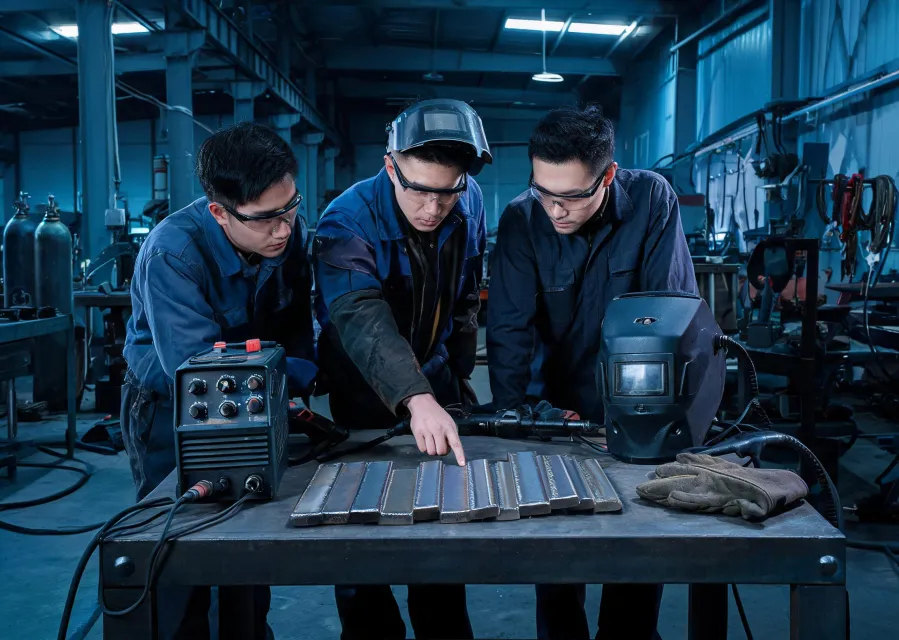
Miller focuses on the points where equipment choice affects the daily rhythm of a shop: arc stability during a long bead, a helmet lens that lets a fitter see the joint before ignition, an abrasive wheel that removes weld crown without overheating the base metal, and a service record that helps maintenance know what to do next.
That practical focus shapes the company voice. Instead of broad claims, Miller uses specification tables, process notes, duty-cycle language, and support checklists. The brand serves purchasing teams that need defensible comparisons, supervisors who need fewer surprises during shift change, and operators who need tools that feel familiar after the first setup.
Authority for Miller comes from disciplined product framing. A welder is not presented as a box with a logo; it is described by input power, process range, torch path, accessories, training notes, and service expectations. A grinding wheel is not just a consumable; it is part of weld preparation, safety control, and final finish quality.
Milestones
Early shop guidance centered on welding power sources, operator setup, and repeatable metal joining.
MIG, TIG, and field repair needs pushed the catalog toward clearer process comparison.
Helmet visibility, portable machines, and consumable systems became part of the same selection conversation.
Machine, abrasive, PPE, and service notes are aligned to the working environment before inquiry handoff.
Technical Team
Review amperage range, duty cycle, wire feed needs, and shielding gas context for production and repair work.
Connect serial records, replacement parts, warranty questions, and repair escalation into a simple support trail.
Match discs, wheels, and finishing products to weld prep, edge control, and operator safety limits.
Help crews balance protection, visibility, lens settings, and workday comfort across varied welding tasks.
Share the material, joint, duty cycle, and operator environment. Miller will turn the context into a practical next step.
Contact Miller