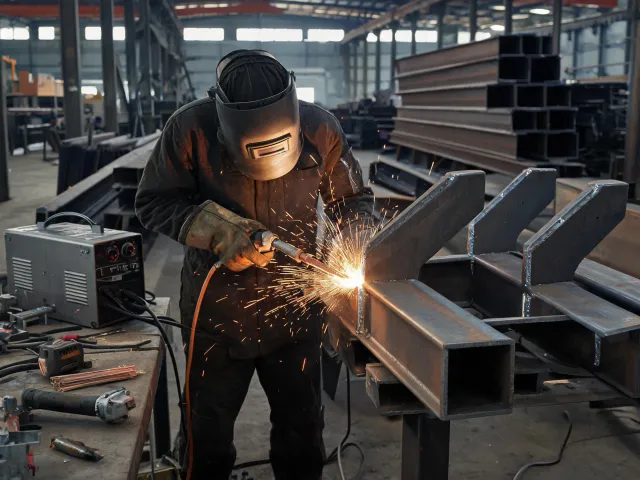
Construction Steel
Portable welders, cutting wheels, and helmet visibility choices are framed around changing power access, weather, and structural prep.
Vertical Applications
Every environment asks a different question of welding machines, abrasive wheels, helmets, and service planning. Miller organizes application support by the work taking place around the arc, not by a generic industry label.
That approach helps buyers compare practical constraints such as available power, joint access, operator protection, grinding speed, inspection expectations, and the cost of downtime. The result is a sharper inquiry path for teams that need welding and abrasive decisions to fit the shift schedule.
Portable welders, cutting wheels, and helmet visibility choices are framed around changing power access, weather, and structural prep.
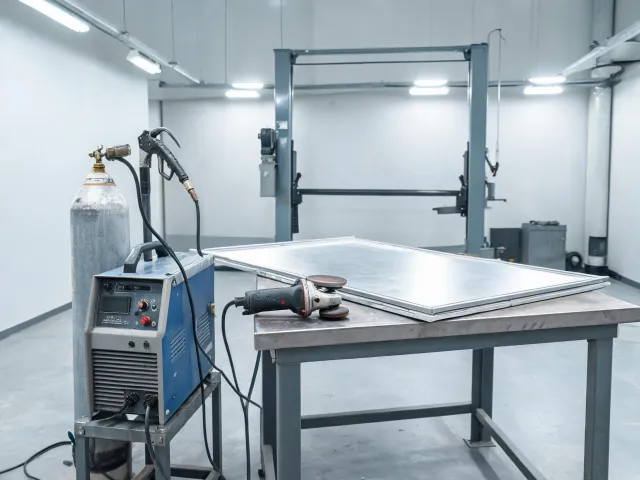
Thin-gauge welding, panel prep, and controlled grinding require equipment notes that protect fit, finish, and turnaround time.
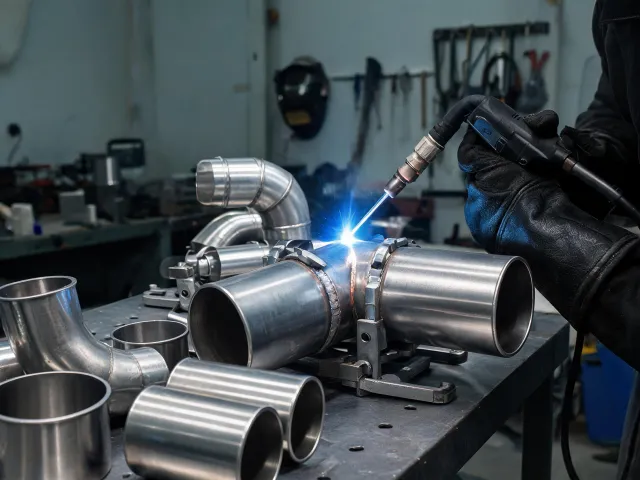
Joint access, torch angle, purge requirements, and prep abrasives guide the selection route for mechanical contractors.
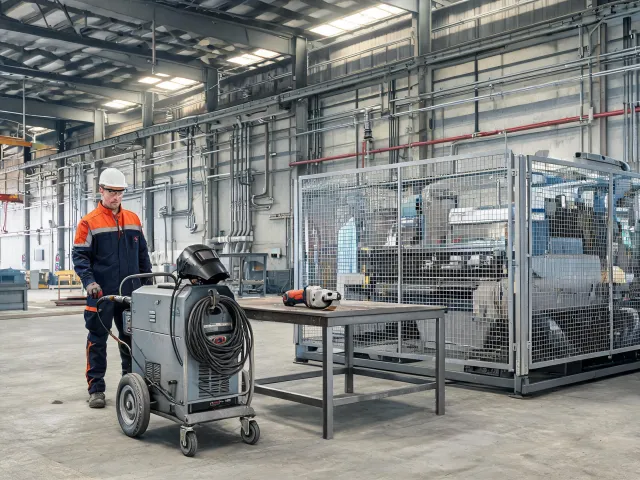
Repair teams need reliable setup notes, consumable replenishment, and fast service routing when a production cell is down.
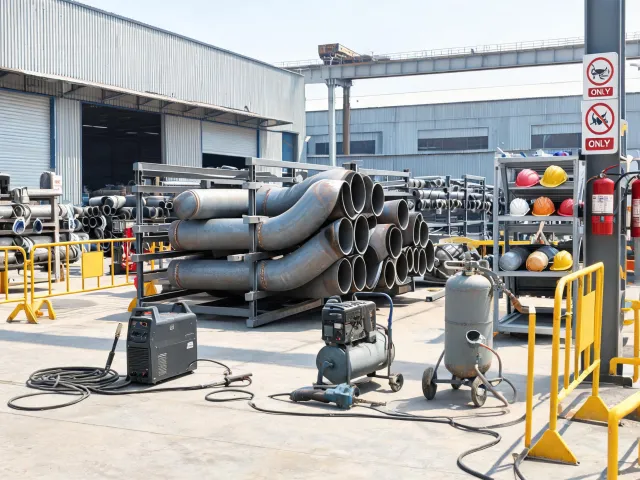
Field repair and spool fabrication workflows depend on stable arc control, safe grinding, and documented inspection support.
Fit Matrix
The same welder or wheel can behave differently when used for structural members, thin panels, pressure pipe, or emergency repairs. Miller treats these variables as selection data, so each recommendation can be explained to purchasing, safety, and production teams.
| Application | Equipment Focus | Abrasive Focus | Support Note |
|---|---|---|---|
| Structural fabrication | MIG output and duty cycle | Cutoff and weld removal wheels | Fixture and cable reach review |
| Pipe repair | TIG or stick process control | Bevel prep and cleaning discs | Field power and PPE check |
| Maintenance welding | Portable multi-process units | Fast stock removal wheels | Serial record and parts route |
| Training labs | Repeatable settings and safety | Controlled finishing products | Operator visibility and lens plan |
Industry RFQ
Useful requests include material, joint type, production volume, power source, abrasive task, PPE constraints, and expected service route.
Miller can compare product routes against the job conditions, not just the catalog category.